
Video is the primary element in the transformation of digital production of content. What once required complex software, long production cycles, and specialized skills can now be achieved in minutes with the help of an AI video generation model. These systems do more than automate video production, but also redefine how static images transform into immersive, moving stories.
In the forefront of this change is Akool which is a technology that shows how far modern AI-driven creativity has evolved.
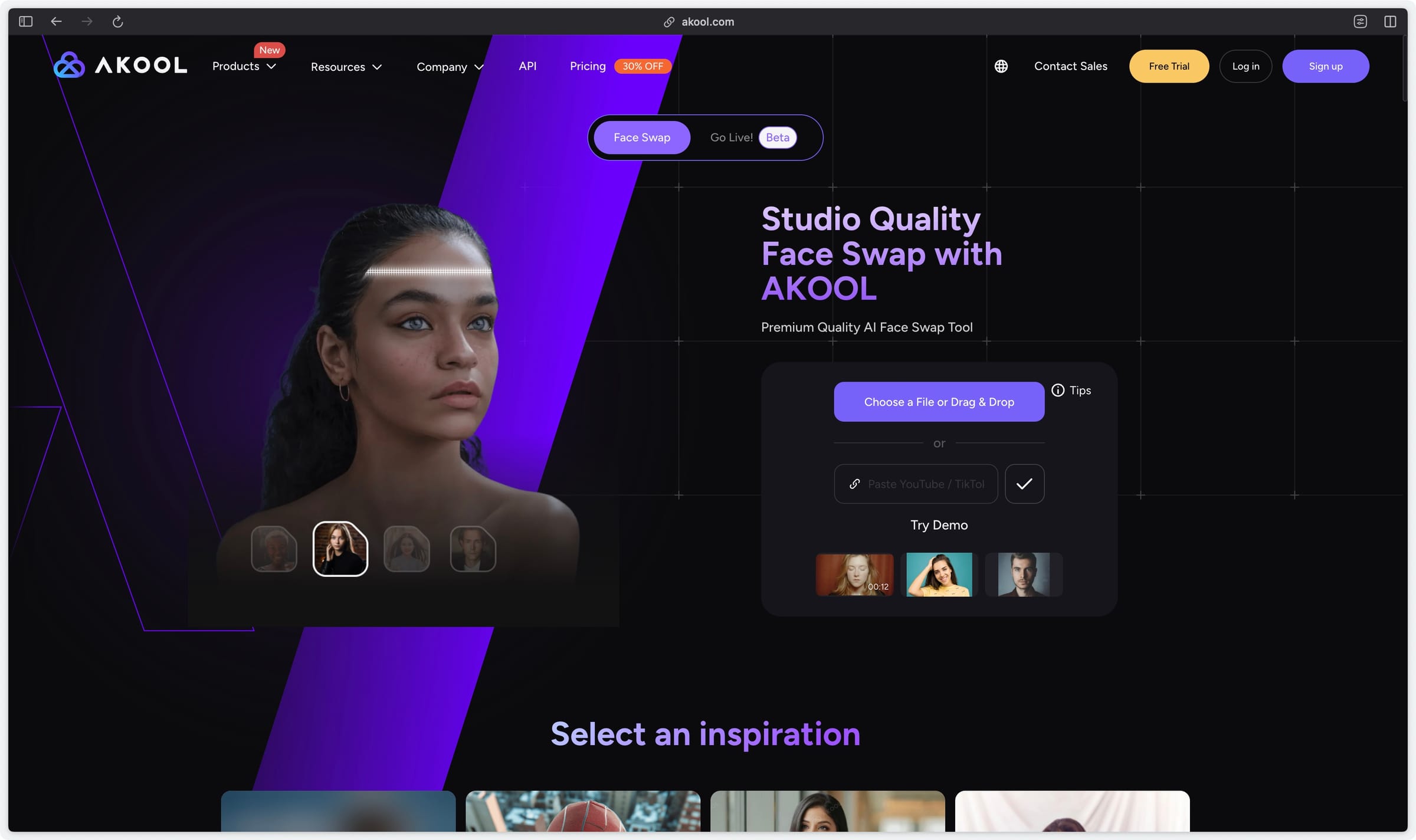
Image credit: akool.com
From Static Images to Living Visuals
Video production is a traditional process that begins with footage. A workflow that is powered by AI that is more advanced begins with an image. The Akool model transforms static images and illustrations into video clips that are visually cohesive and seem natural. Instead of using generic animations, this model creates depth movement, texture, and motion while keeping the integrity of the original photo.
This capability is particularly valuable for teams with large libraries of images. The ability to transform photos of products, brand images, or artwork into engaging videos can save time and resources, while boosting creativity.
Precision Motion for Cinematic Effects
Control is among the primary qualities of an experienced AI video model. Every motion isn’t created by the same process and random animation can break the immersion. Advanced systems allow creators to define how elements move within the frame direction and velocity, as well as trajectory. This results in smoother, more cinematic results.
With precise control of motion creators can simulate subtle camera movements, variations in the environment, or character actions that are more real rather than being automated. AI-generated video can easily be integrated into professional marketing campaigns as well as storytelling formats.
Faster, without sacrificing the Quality
Speed is often a sign of compromise, however modern AI technology challenges that notion. A high-end AI video generator can generate high-quality videos in a matter of seconds while preserving sharpness, color accuracy and stability of the visual. AI video creation is practical due to the balanced between quality and efficiency.
The speed of iteration is essential for social media and marketing areas, where trends shift rapidly. The ability to test concepts, alter visuals, and publish content quickly gives creators and brands a measurable advantage, while not increasing the cost of production.
Trust is based on the consistency of its members.
Consistency is an issue when it comes to AI video creation. This is especially the case when it comes to individuals or characters. Akool AI models address this issue by keeping facial identities, expressions and facial expressions as well as the alignment of characters throughout the course of a video. This consistency creates more convincing videos, and helps to prevent the visual drift that often breaks viewer engagement.
In cases of use, such as spokesperson images, brand ambassadors as well as educational content, the consistency is vital. Visuals that are consistent, human and not artificial are more reliable and admired by viewers.
Real-World Workflows Are Designed to be Adapted to Your Specific Needs
AI video tools are most effective when they integrate seamlessly into existing creative processes. The simplicity of video-to-image models specifically designed for professional use is prioritized over the power. Simple interfaces for users, quick rendering and compatibility with all common pipelines for content makes it simple for teams to implement AI video generation without extensive retraining.
These systems are not only for creators who are purely individual. They also encourage collaboration and encourage creativity. These ecosystems are governed by communities, allowing users to learn from one other, explore new techniques and push the creative envelopes.
A New Standard for Visual Storytelling
AI video generation is no longer a speculative innovation, but is now an essential tool in contemporary content creation. By combining speed, realism and control over creativity, today’s AI models expand the possibilities by combining existing assets.
As AI continues to advance, tools Akool video model illustrate a broader shift toward smarter, more accessible video production. The future of visual storytelling isn’t just about making motion, but the ability to empower creators and transform ideas into exciting experiences faster than ever before.